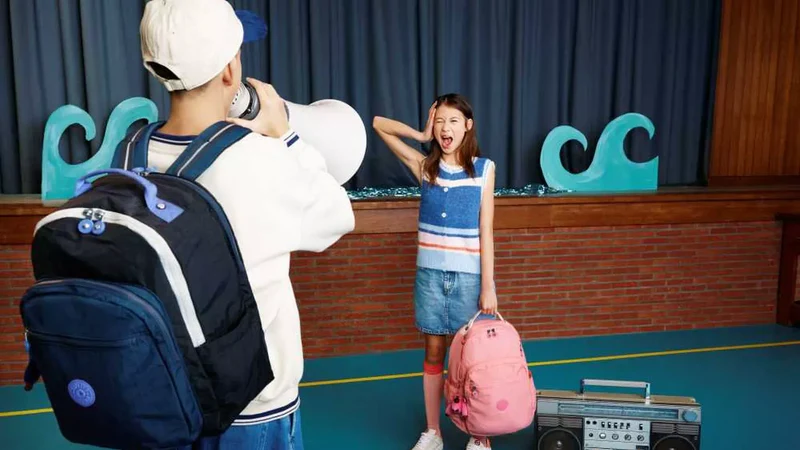
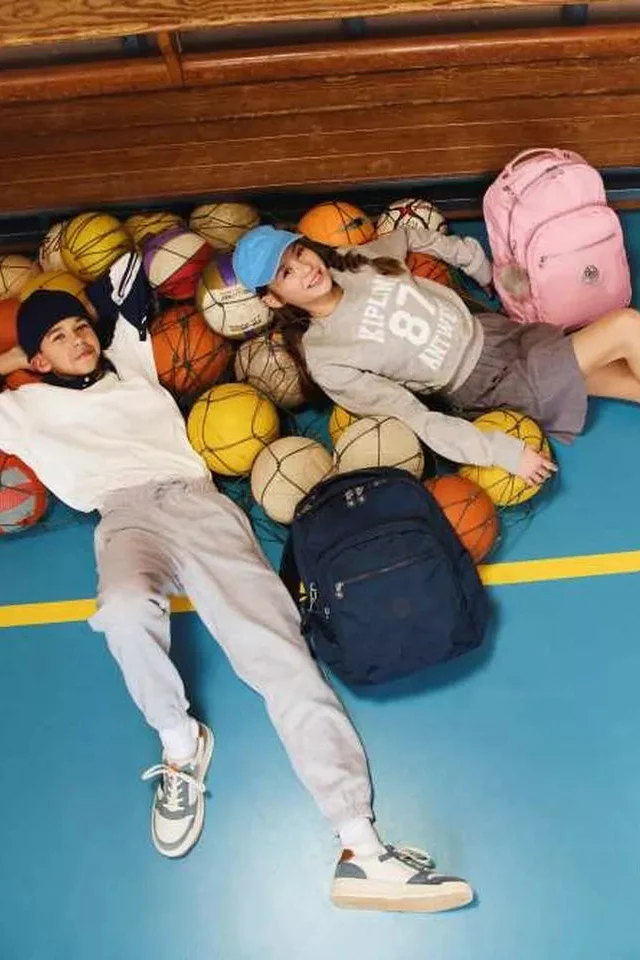
At Kipling, we’ve been making smart and stylish school bags for young children all the way up to university students for decades. School backpacks continue to be one of our speciality products, available in a variety of sizes, colours and designs to complement every student’s personal style and daily demands.
With many options available, we’ve put together a guide to the best backpack sizes for different types of students to help you narrow your search to find the perfect study bag.
When choosing the ideal school bag, several factors must be considered. One key factor is the size of the school backpack that best suits your needs. School backpacks come in a variety of sizes, from compact and lightweight styles for the bare essentials to spacious designs with wheels and designated laptop compartments.
So, what is the best size backpack for school kids and their studies? Think about the type of studying the backpack will be used for.
If you’re shopping for a little one who has just started preschool, a smaller backpack with space for their drink, snacks and favourite teddy bear may be sufficient. If you’re searching for the perfect bag for secondary school student, you need to prioritise designs with extra space for their textbooks, tech, sports gear and so on.
In addition to size, there are a few points to consider when choosing the right backpack for your studies:
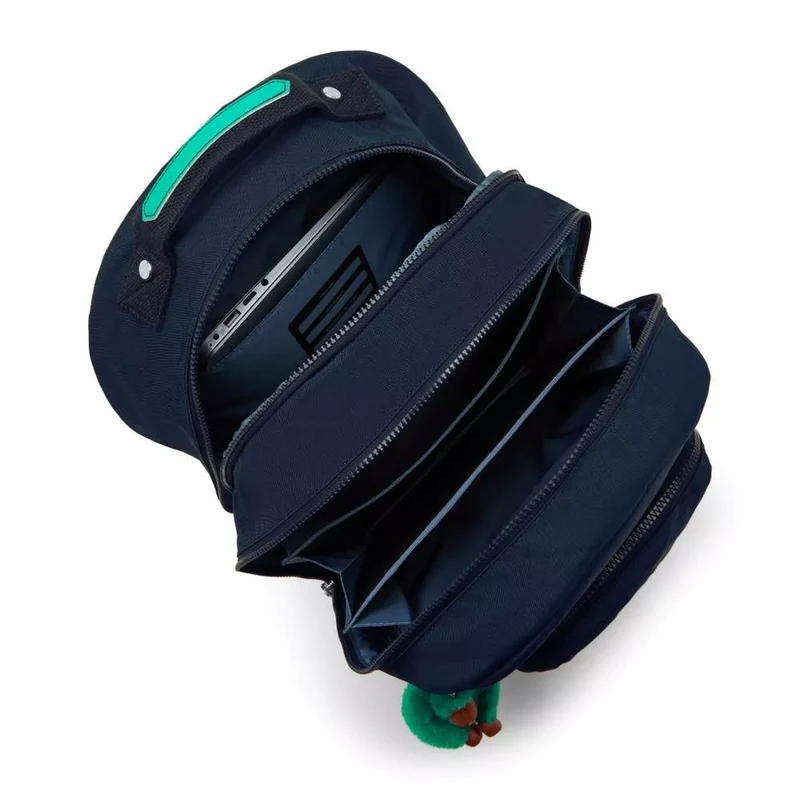
Once you’ve decided on the size of the backpack you need, consider the organisation and comfort features that will make your school routine a breeze. Features to look out for include built-in laptop or tablet compartments, pockets and organisers, bottle holders, adjustable shoulder straps and more.
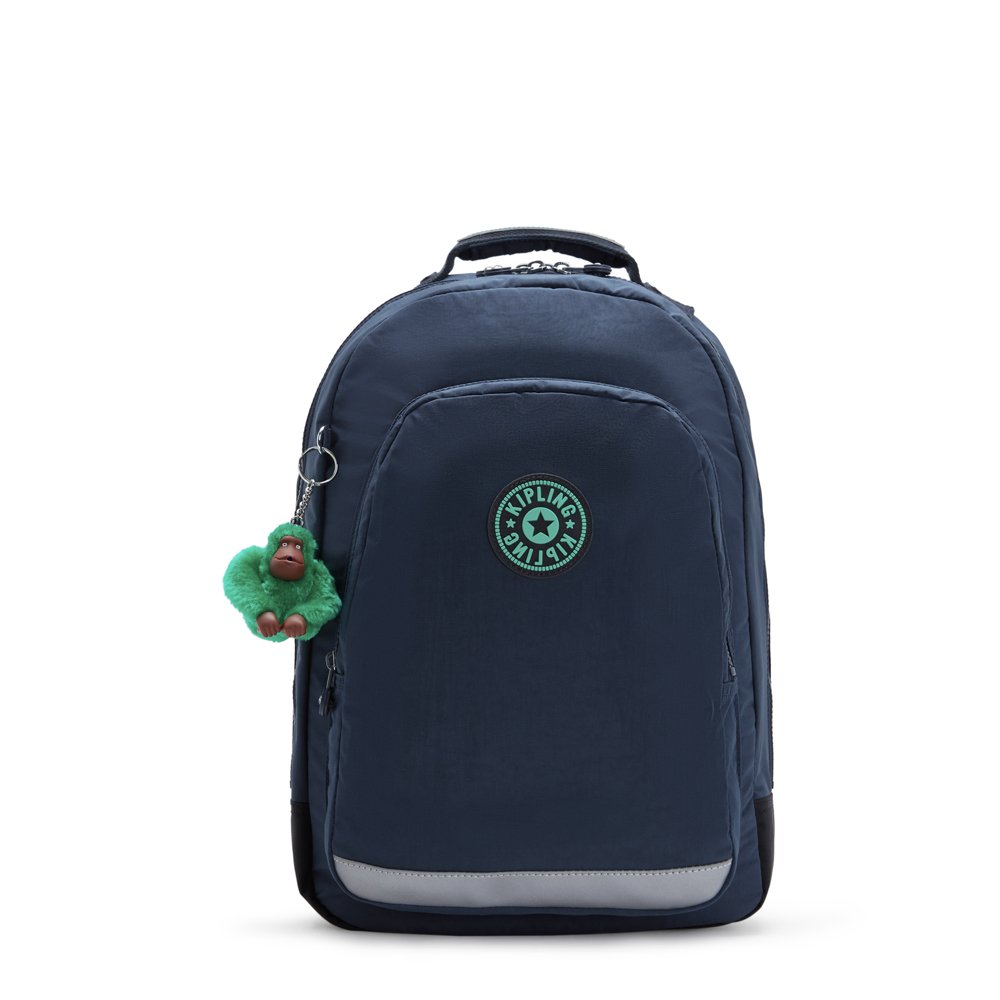
Every student, from preschoolers to uni students, should travel to class safely and confidently. That’s why our Kipling school backpacks include safety features for a stress-free commute. These include reflective details for street visibility and rain covers to keep your belongings dry. The designated sleeves and pockets keep valuables like phones, pocket money, and bus passes safe.
When deciding the size of a school backpack, consider what it will be used for. A more spacious design will work best if you need space for a precious laptop, hefty textbooks and lunch. A compact design will do the job if you only need to carry an exercise book, water bottle and pencil case.
Different backpacks vary in weight. You can find minimalist styles made with lightweight materials and robust designs with wheels and protective tech sleeves. When choosing a new backpack, think about the person and their daily routine. For example, a little preschooler won’t want to feel weighed down by a bulky backpack with features they don’t need.
Starting preschool can be daunting for little ones. So, why not encourage them to attend class in confidence with a comfy backpack in a cool design or colour that they love?
A small bag is typically the best backpack size for kindergarten or preschool students who don’t need to carry much with them. If your little one takes a packed lunch to preschool, go for a bag with more space for their food.
Once kids start primary school, studying becomes more serious and requires more gear. Their school backpack should have space for their pencil case, water bottle, lunch or snacks, and, if they take part in extracurricular activities, extra gear or clothing.
A quality backpack with plenty of space for study gear is a must-have item for anyone heading to college or uni. Depending on their course, they may need to bring a few or many items to lectures and seminars. A laptop is essential for most uni students, so a bag with a built-in tech sleeve is a go-to choice.
Now that you’ve explored the different school bag sizes and styles, you should have a better idea of the type of bag you want for yourself or the studious person you’re shopping for.
Get inspired by the latest backpack styles in our new arrivals.
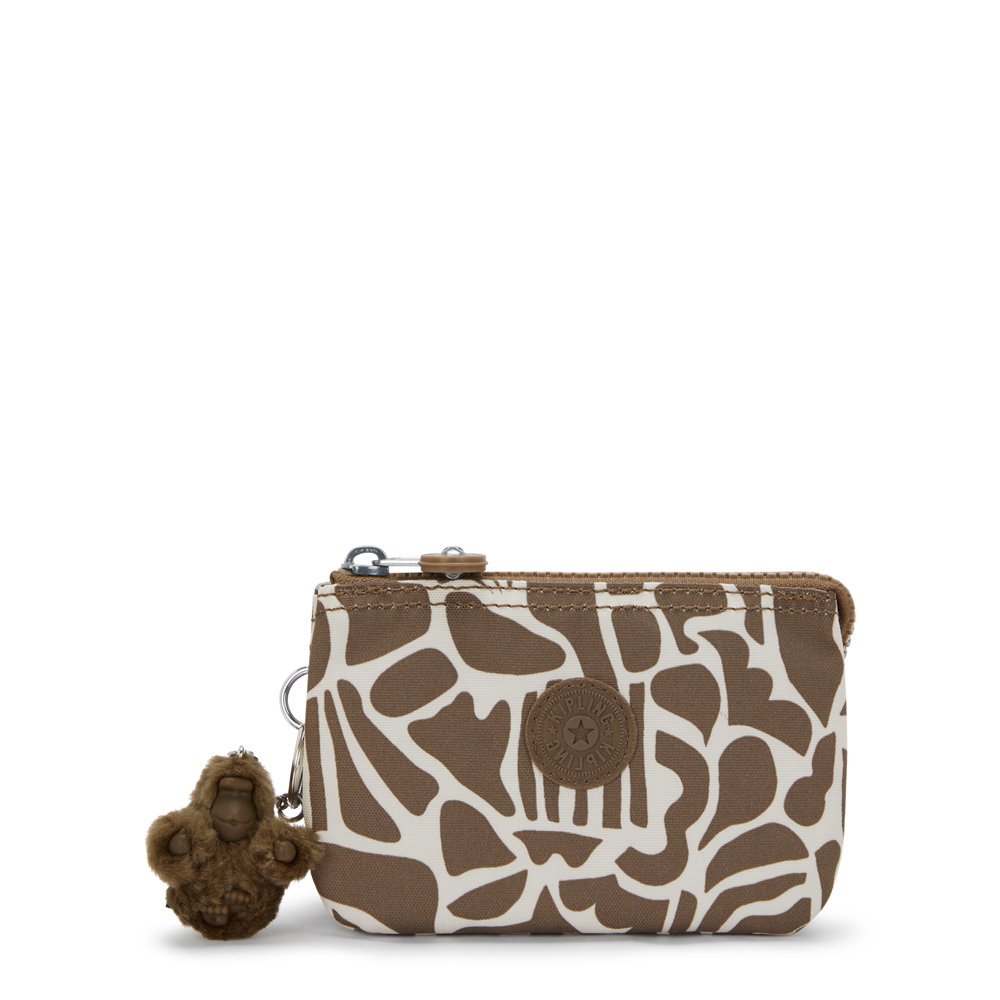
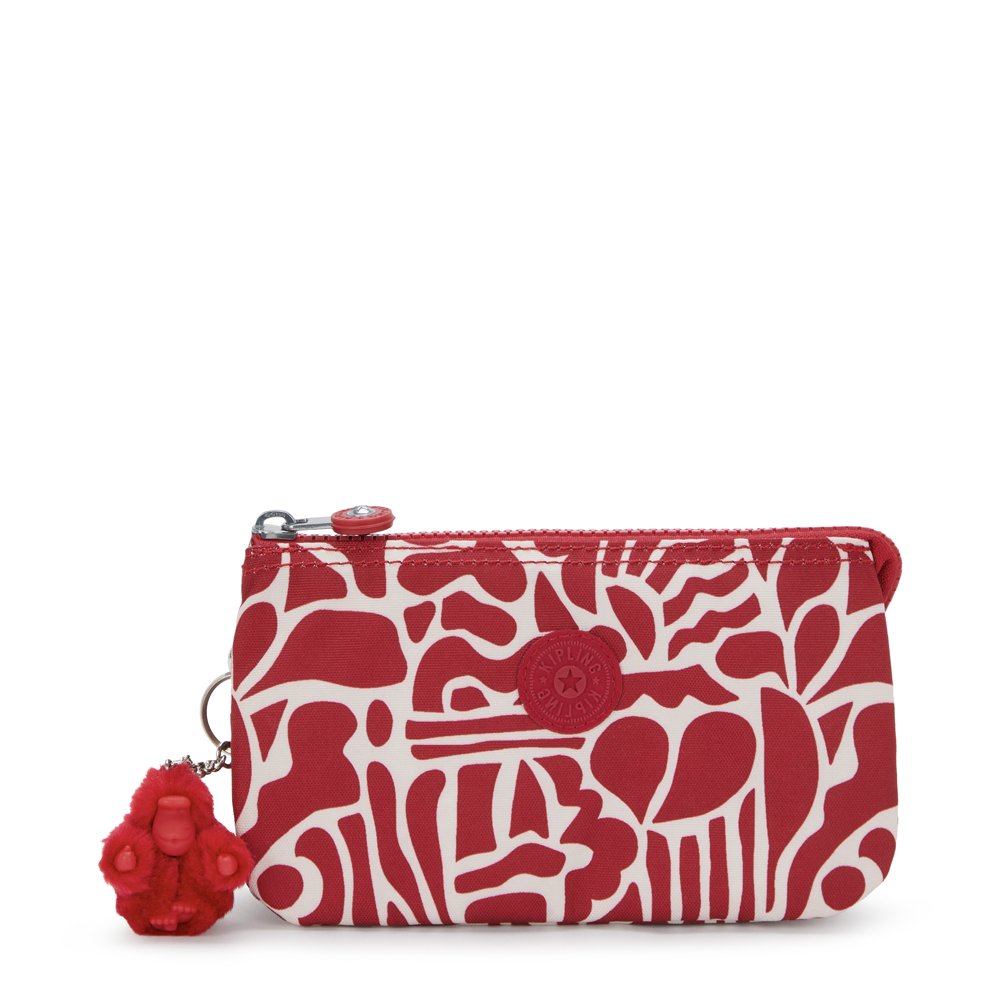
Once you’ve sorted your backpack, why not complete your Kipling study gear set with a pencil case and lunch bag?